Sides
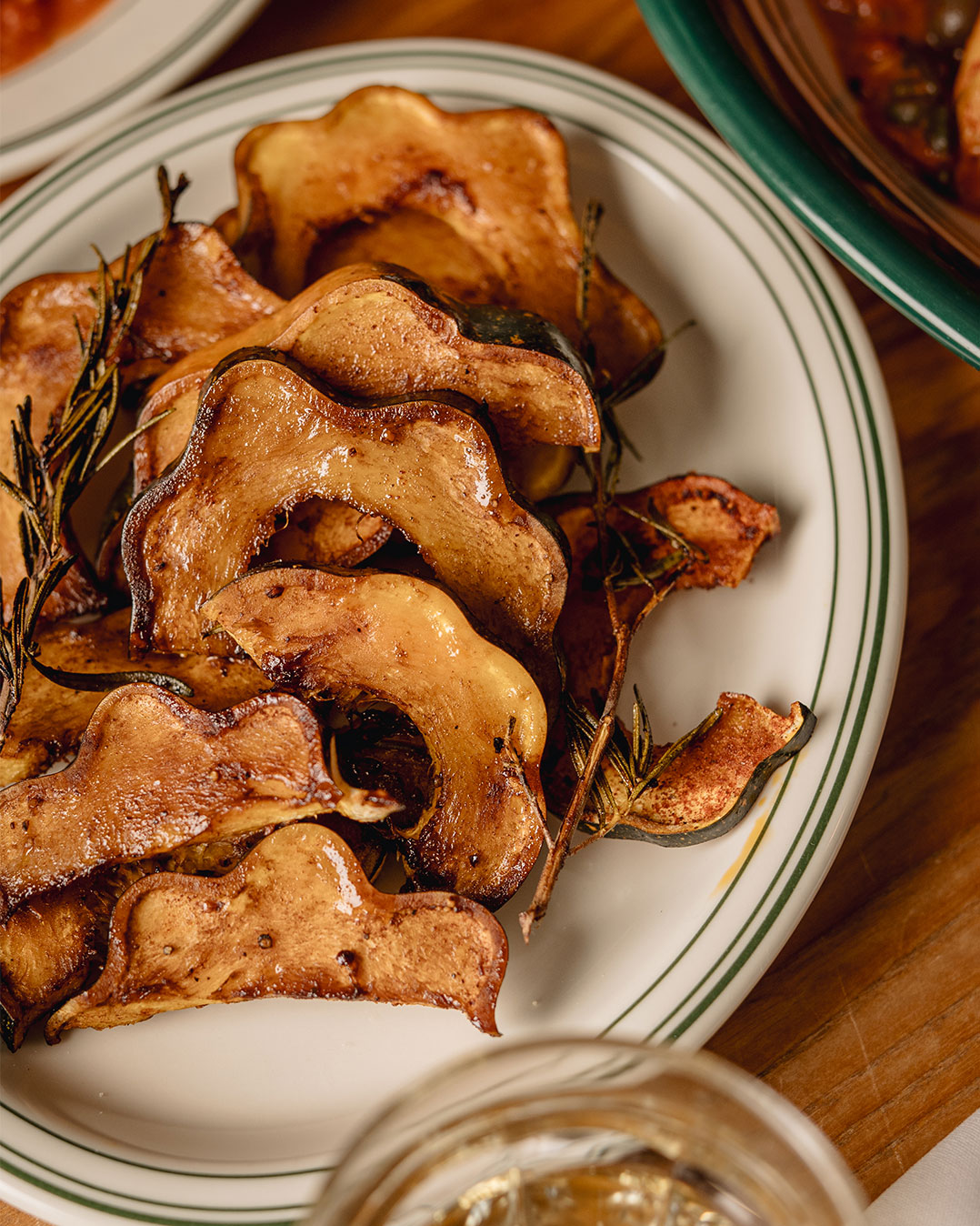
Roasted Acorn Squash with Balsamic and Parmesan

Preparation
15 min
Cooking time
40 min
Portions
4 - 6
Ingredients
Preparation
- Preheat the oven to 425 °F. Line a large baking sheet with parchment paper.
- Cut the squash in half lengthwise (from stem to tip) and scoop out the seeds and stringy pulp. Place each half on the cutting board, cut side down, and slice into ½-inch crescent-shaped pieces. Keep the peel on.
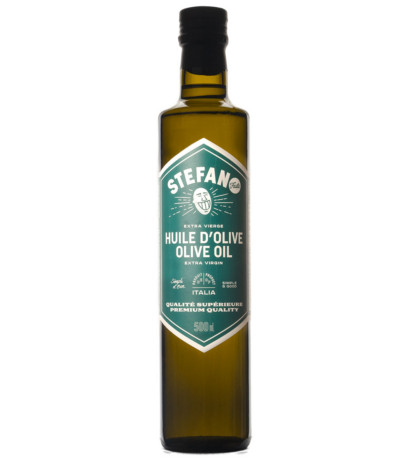
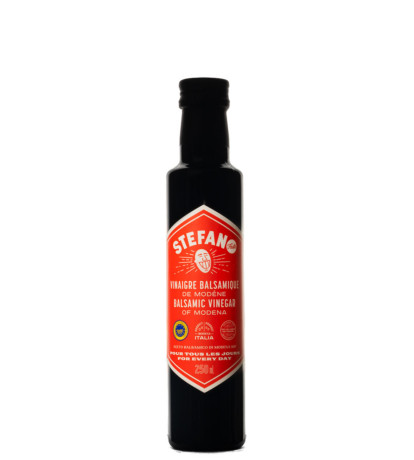
- In a large bowl, whisk together the olive oil, balsamic vinegar, smoked paprika, rosemary, thyme, salt, and pepper. Add the squash slices and toss until evenly coated.
- Arrange the squash slices in a single layer on the prepared baking sheet, making sure the pieces aren’t overlapping. Cover the baking sheet with aluminum foil and roast for 15 minutes.
- Remove the foil, flip the slices, and continue roasting uncovered for another 15–20 minutes, until tender and golden around the edges.
- Remove from the oven and sprinkle evenly with the Parmesan. Return to the oven for 3 to 5 minutes more, or until the cheese is melted and lightly golden.
-
Serve warm, spooning any caramelized bits from the baking sheet over the squash. Buon appetito!
FAQ
-
How do I safely cut an acorn squash?
Acorn squash can be quite firm, so take your time and make sure your cutting board is stable before cutting. For easier slicing, you can also microwave the whole squash for 2 to 3 minutes to soften the skin slightly. Let it cool enough to handle, then place it on a stable cutting board and carefully cut it in half from stem to tip before removing seeds and pulp, and slicing into crescents. Try to follow the natural grooves of the squash when slicing. You’ll get slightly different-shaped pieces, but it’ll be easier to guide your knife through the flesh. -
Can I eat the skin of acorn squash?
Yes! Acorn squash skin is edible, but it can vary in texture and may remain a little firm after roasting. For more tender skin, make sure to coat the squash slices well with olive oil and to roast them until the skin is easily pierced with a fork. You can also try covering the squash loosely with foil for the first 15 minutes of roasting to trap some steam and help soften the skin, then uncover and continue roasting until tender and caramelized. If the skin still feels tough to you, it’s perfectly fine to leave it on your plate or to peel your squash before roasting. -
How do I know when the squash is done?
The squash should be tender enough to pierce easily with a fork, with lightly browned edges and caramelized spots. If the slices are still firm after the recommended cooking time, continue roasting for a few minutes until tender. Trust your senses, you got this!