
Italian Ricotta: Origins, How it’s Made, Varieties, and Ways To Use It
From fresh ricotta to ricotta salata, discover how this Italian kitchen staple is made and how to use it in both savoury and sweet recipes.
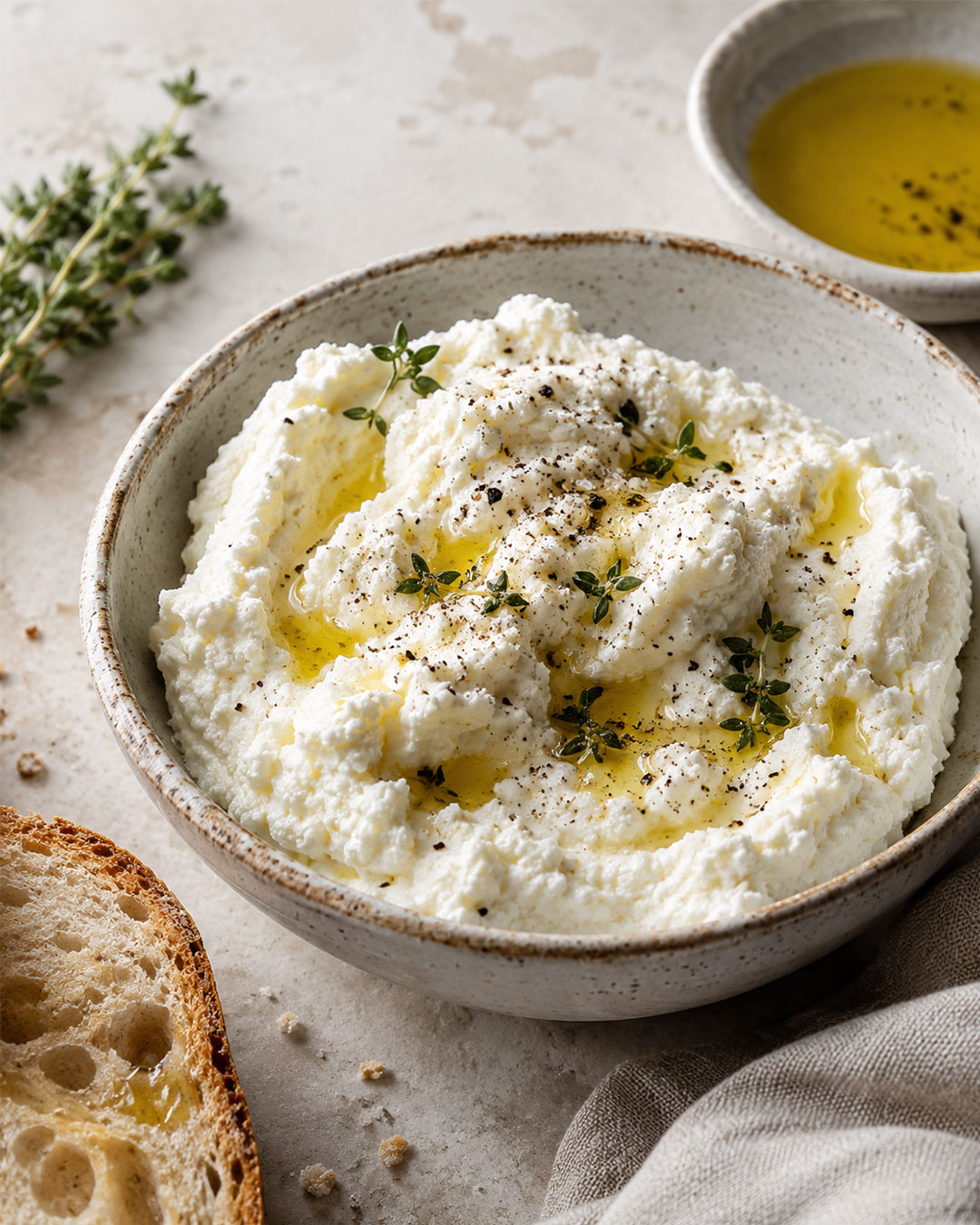
Ricotta: a staple of Italian cuisine
In Italy, some ingredients don’t make a lot of noise, but the kitchen simply wouldn’t be the same without them. Ricotta is one of those ingredients.
Soft, light, and incredibly versatile, it feels just as at home in lasagna as it does in cannoli, homemade ravioli, or spread over a warm piece of bread. Mamma mia!
At first glance, ricotta may seem fairly simple. But behind its delicate texture lies centuries of know-how, an ingenious way to reduce food waste, and countless regional traditions.
Because in Italy, every region — and sometimes every village — has its own way of making ricotta, cooking with it… and claiming that theirs is the best.
That’s also what cucina italiana is all about.
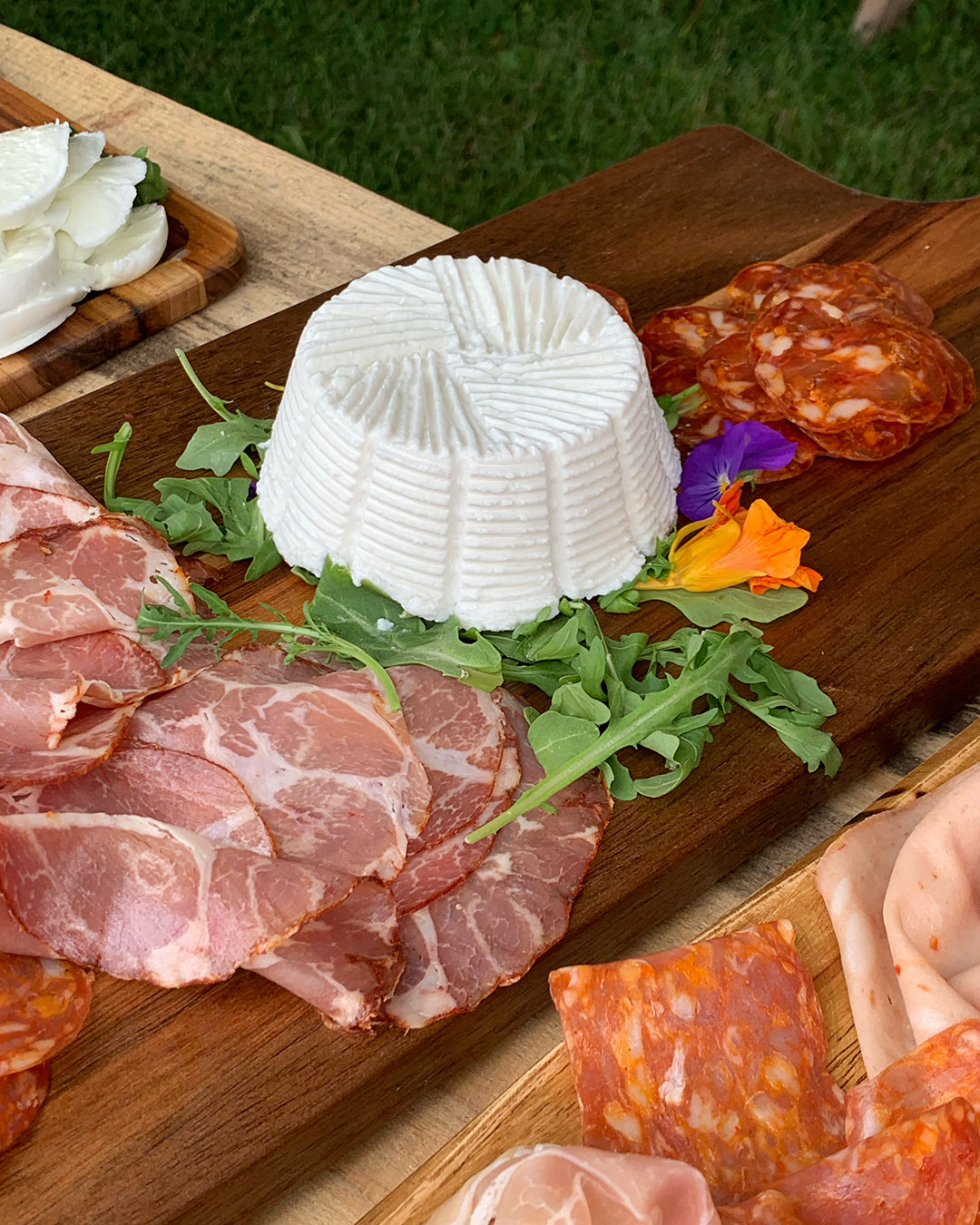
What is ricotta?
Ricotta is often described as a fresh cheese. Technically, however, it is a dairy product made primarily from whey.
Whey is the liquid left behind after making cheeses such as pecorino, mozzarella, and certain cow’s milk cheeses.
The word ricotta comes from the Italian verb ricuocere, meaning “to cook again.” And that is exactly what happens: the whey is heated a second time to recover the proteins that remain in the liquid.
The original idea was wonderfully simple: waste nothing. Long before food upcycling and waste reduction became part of our everyday vocabulary, producers had already discovered that heating whey caused small white curds to gently rise to the surface.
And just like that, ricotta was born.

How Is Ricotta Made?
After cheese is made, the leftover whey is collected and generally heated to between 80 and 90°C. Depending on the recipe and the producer’s traditions, a small amount of fresh milk, cream, salt, or an acidifying ingredient may also be added.
As the whey heats, the remaining proteins come together and slowly rise to the surface in the form of delicate white curds.
These curds are carefully collected with a slotted spoon, then placed into moulds or perforated baskets so the excess liquid can drain naturally.
The result? Fresh ricotta that is light, slightly grainy, and perfectly creamy.

The different types of ricotta
Ricotta goes far beyond the fresh variety found at the grocery store. Across Italy, it comes in many forms depending on the region, local traditions, and preservation methods.
Fresh ricotta
This is the best-known variety.
Soft, moist, and creamy, fresh ricotta is perfect in stuffed pasta, lasagna, desserts, dips, or simply spread on bread.
Ricotta salata
Ricotta salata is salted, pressed, and aged.
Firmer than fresh ricotta, it can be crumbled or grated over pasta, salads, and vegetables.
It is also the variety traditionally used to finish pasta alla Norma.

Ricotta Affumicata
Ricotta affumicata is smoked, giving it a more pronounced flavour and delicate woodsy notes.
It is especially common in parts of northeastern Italy.
Ricotta infornata
Ricotta infornata is baked until it develops a lightly golden exterior and a firmer texture.
It is most commonly associated with Sicily.
Ricotta forte
Ricotta forte is a specialty from Puglia.
It is fermented and aged until it develops a creamy texture and an intense flavour that is salty, tangy, and slightly spicy.
Let’s just say it doesn’t go unnoticed. A small amount is enough to add plenty of character to pasta, focaccia, or vegetables.

What types of milk are used to make ricotta?
The texture and flavour of ricotta vary depending on the milk used to produce the whey.
Sheep’s milk ricotta — ricotta di pecora
Very popular in Sicily, Sardinia, Lazio, and Abruzzo, sheep’s milk ricotta is rich, creamy, and slightly more flavourful.
It is the variety found in many classics, including cannoli, cassata and zeppole.
Cow’s milk ricotta — ricotta vaccina
Cow’s milk ricotta is one of the most widely available varieties today.
It is generally mild, light, and easy to use in all kinds of recipes. It is also the type most commonly found in grocery stores here.
Appetizers, pasta dishes, desserts — it can pretty much do it all.

Buffalo milk ricotta — ricotta di bufala
Very popular in Campania, this ricotta is often made from the whey left behind during buffalo mozzarella production.
It is especially rich, creamy, and delicately sweet.
Goat’s milk ricotta — ricotta di capra
Rarer and often made by small artisanal producers, goat’s milk ricotta has a brighter, more pronounced flavour.
It is especially appealing to anyone who likes cheese with a little more personality.

The Italian regions most closely associated with ricotta
Ricotta is found throughout Italy, but some regions have an especially strong connection to it.
Sicily
In Sicily, ricotta is a true star.
Sheep’s milk ricotta is used in many iconic desserts, including cannoli, cassata, cassatelle, and ricotta pies.
It also appears in ravioli and many savoury recipes.
Ricotta salata, meanwhile, is essential for pasta alla Norma.
Campania
Campania is famous for its exceptionally creamy buffalo milk ricotta.
It is used in sfogliatelle, Neapolitan lasagna, pastiera, and many types of stuffed pasta.
In other words, it keeps busy.

Lazio
In Lazio, the region surrounding Rome, ricotta is part of everyday cooking.
It is used in ravioli, savoury pies, pizza bianca, and several traditional desserts, including crostata di ricotta, a Roman classic.
The region also produces Ricotta Romana PDO, made from sheep’s milk whey.
Puglia
In Puglia, ricotta is served with orecchiette, focaccia, stuffed vegetables, and many local pastries.
The region is also known for ricotta forte, a fermented preparation with an intense flavour that is used in small amounts to give dishes an extra kick.
Abruzzo and Molise
In these mountainous regions, both sheep’s milk and cow’s milk ricotta play an important role in traditional cooking.
They are used in homemade pasta, ravioli, soups, savoury pies, and desserts.

How to cook with ricotta
Ricotta works beautifully in both savoury and sweet recipes. In addition to adding a rich and creamy texture, ricotta is also naturally a good source of protein.
On the savoury side, it is delicious in lasagna, cannelloni, ravioli, gnocchi, pies, pizza, and stuffed or fried vegetables.
It can also be whipped with a little olive oil, lemon, and fresh herbs to make a simple, creamy spread.
On the sweet side, ricotta is used in pastries, cookies, cakes, and many traditional Italian pies and tarts.
And sometimes, there is no need to overthink it: a little ricotta, some honey, fresh fruit, and a handful of nuts… dessert is done.

More than just a fresh cheese
Ricotta is much more than a simple fresh cheese.
Behind its versatility, light texture, and delicate flavour is a tradition passed down for centuries — and a beautiful reminder that the simplest ingredients are often the most extraordinary.
The next time you spot a container of ricotta at the cheese counter or grocery store, make a little room for it in your basket.
It may just become one of your new favourite ingredients.
Buon appetito!
Frequently asked questions about ricotta
Is ricotta a cheese?
Ricotta is often called a fresh cheese, but technically it is made from the whey left behind after other cheeses are produced.
What is the difference between ricotta and cottage cheese?
Ricotta is made from heated whey, while cottage cheese is made from milk curds.
Ricotta generally has a finer texture and a milder flavour.
Can ricotta be replaced in a recipe?
Yes, depending on the recipe.
Ricotta can be replaced with well-drained, blended cottage cheese, mascarpone, cream cheese, or another fresh cheese.
The final result, however, may be more or less rich and creamy.
Can ricotta be eaten without cooking?
Absolutely.
Fresh ricotta can be enjoyed as is, spread on bread, added to a salad, served with fruit, or used in a dip.
How long does ricotta last?
Once opened, fresh ricotta should be stored in the refrigerator and eaten promptly, according to the instructions on the package.
And as always, if the smell, colour, or texture seems off, it is better not to take any chances.


